
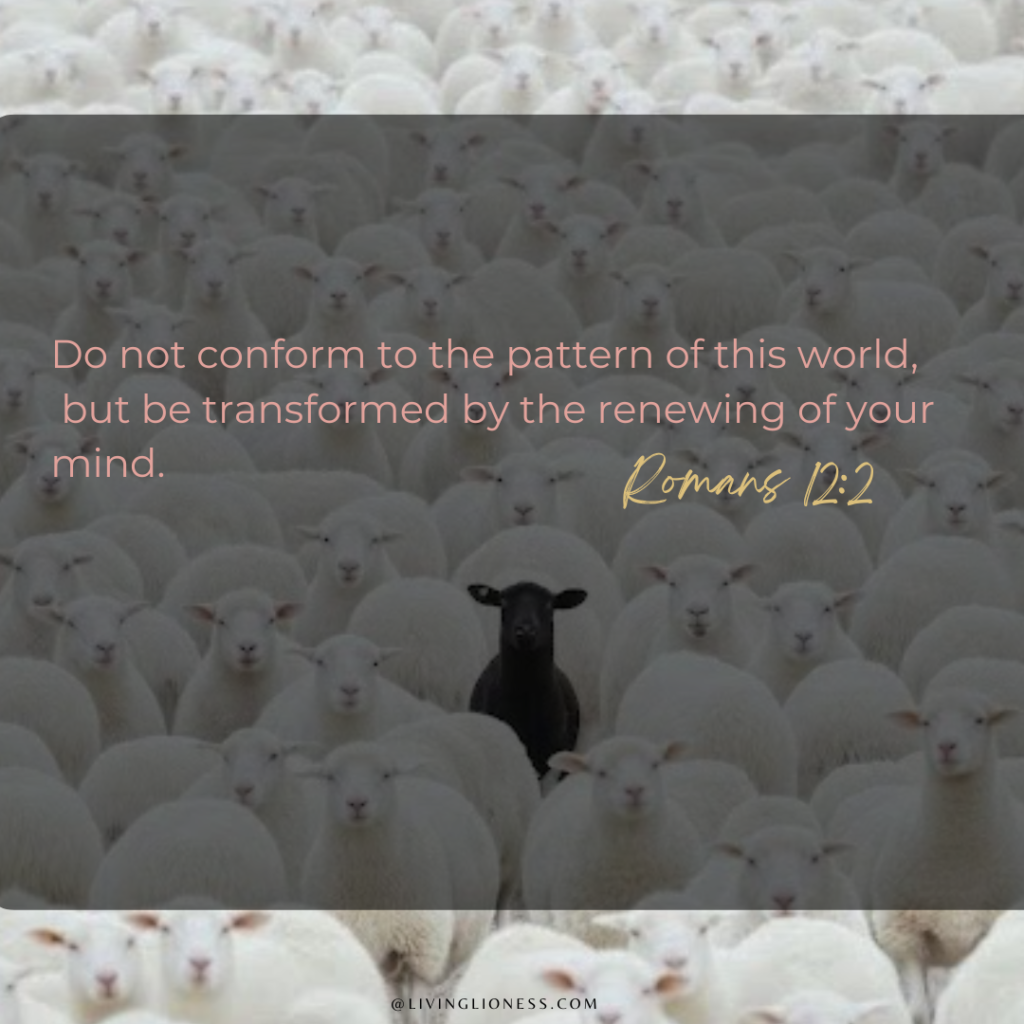
Have you ever paused long enough to ask yourself how you became you?
Not the surface-level answer – not the résumé, not your title at work, not the personality traits, not the “that’s just who I am.”
I mean the real question.
Most people never ask those questions.
And the ones who do usually ask them later in life, after years of doing what was expected – not because it was true for them, but because it was familiar, rewarded, and safe.
You were born ‘unshaped’- somewhat like a clean slate.
A mind with no beliefs, no opinions, no expectations of what you “should” be.
But that innocence doesn’t last long.
From your earliest years, you learned something powerful about human survival:
Belonging feels safe.
Deviating feels dangerous.
So you adjusted. You became agreeable. You paid attention to what people liked, expected, or approved of. Not because you lacked identity, but because acceptance felt like protection.
You call it personality. You call it “how I am.”
But the truth is much simpler:
You learned to fit.
Not consciously. Not maliciously.
Just consistently – across childhood, adolescence, relationships, family dynamics, workplaces, and culture.
This is the foundation of conformity.
What Conformity Actually Is (Not the Shallow, Surface-Level Definition)
Most people think conformity is just going along with the group.
Smiling. Nodding. Agreeing.
That’s the visible layer.
But the real conformity – the one that shapes your life ,doesn’t happen in your actions.
It happens in your identity.
Let me ask you something:
How many times have you said “yes” while something in you was quietly saying “no”?
How many times have you kept quiet because speaking up felt like it would disrupt the room?
And how many times have you made a decision you couldn’t fully explain- you just did it, only to realize later it wasn’t actually yours to begin with?
That is conformity.
Not loud. Not dramatic. Just habitual.
Conformity is when…
- your real preferences get overridden by influence
- your sense of self shifts to match what gains approval
- your choices are driven more by avoiding tension than by what you actually want
- you follow unspoken expectations you never consciously agreed to
- you match the room instead of checking in with yourself first
And here’s the part people misunderstand:
Conformity doesn’t come from weakness, it comes from survival learning.
You learned early that being accepted felt safe.
Being different felt risky.
Being honest felt expensive.
But safety has a cost, and the bill comes due when your entire life starts to feel like a diluted version of who you were meant to be.
Quiet Conformity: The Version You Don’t Notice, But Live Every Day
Everyone recognizes the obvious version of conformity.
Agreeing. Following. Blending in.
But the discreet version, the one you barely notice, is the version that actually runs your life.
You experience it when you:
- go along with a choice even though something in you hesitates
- pick the “safe” or socially praised path without realizing that’s why
- adopt habits you never questioned
- nod along so you don’t disrupt the conversation
- adjust your opinions to match the room
- can’t explain why you made a decision, you just did
Have you ever said, “I don’t know… it just feels right,” but later realized you never truly chose it?
Often what feels “right” is simply what feels familiar.
And familiar isn’t the same as aligned.
You think you’re choosing.
But very often, you’re repeating.
A Story You’ll Recognize (Because You’ve Lived Something Like It)
I once went to a bridal shower where they played a common icebreaker game called “This or That?”
The host stood in the middle holding two large cards – “Nails” on one side and “Toes” on the other.
She’d call out a category, and everyone had to walk to the side that matched their preference.
It was silly, harmless, and meant to get everyone “loosened up.”
But here’s what I noticed.
As soon as she said, “Go to the side you prefer!” most women rushed straight to the “Toes” side.
But about ten percent didn’t move right away.
You could tell they actually preferred “Nails.” Their eyes went there first, and you could see the hesitation- the kind that shows up when your real preference bumps up against the pressure to blend in.
Then they looked around.
They checked what everyone else was doing.
They paused.
And slowly, almost reluctantly, they walked to the “Toes” side too.
Not because that’s what they wanted.
But because being the only one walking the other direction felt like too much attention, even for a three-second moment.
And I remember thinking:
If women override their real preference for something this small… how many bigger choices have they overridden without realizing it?
- Career paths
- Friend groups
- Relationship dynamics
- Opinions
- Values
- Their actual identity
Not due to weakness -but because minimizing friction becomes second nature.
That tiny internal override, that split-second where your body leans one way but your behavior goes another- that is quiet conformity.
And once you see it, you can’t unsee it.
You notice it when you:
- agree with something you don’t actually agree with
- nod along to keep the energy in the room “comfortable”
- stay neutral so no one questions you
- match the group even when it doesn’t reflect you
- say “same” even though it’s not
It’s subtle.
It’s socially rewarded.
And in the moment, it feels easier.
But every time you do it, you give up a small piece of yourself – not in one dramatic moment, but slowly, over years.
That’s how women wake up in lives that look perfectly fine on the outside but feel strangely disconnected on the inside.
Not because they made one dramatic wrong turn, but because they made thousands of tiny choices that weren’t truly theirs- choices shaped by habit, pressure, or the desire to avoid friction. Over time, those small moments stack up, and the gap between who you are and how you’re living becomes impossible to ignore.
How Conformity Shows Up in Relationships
Conformity doesn’t just happen at the societal level, it happens in the relationships closest to you.
Let me ask you:
How many times have you made yourself “less” just to keep the peace?
How many times have you swallowed a truth because you didn’t want to deal with someone else’s reaction?
That is where conformity hides best:
in love, loyalty, and familiarity.
Romantic Relationships
Many women don’t realize how easily they merge with their partner’s preferences. It’s not intentional. It’s learned. You grow up rewarded for being agreeable, flexible, “easy,” and low-maintenance, so you naturally carry those habits into relationships.
It shows up in subtle ways:
- shrinking your wants so the relationship feels peaceful
- matching his hobbies, routines, or pace without questioning whether you actually enjoy them
- downplaying your needs to avoid being labeled “difficult” or “too much”
- pretending to enjoy things because saying, “That’s not really my thing,” feels like you’re risking conflict
And then something even more subtle happens. You start taking an interest in what he loves – sports teams, playlists, hobbies, routines- while slowly disconnecting from your own. Over time, your preferences blend so much that you forget what you truly like… or you realize you never had the space to figure it out.
This doesn’t mean the relationship is unhealthy. You can love your partner deeply and still lose pieces of yourself inside the dynamic. That’s what happens when one person becomes the emotional stabilizer, the peacekeeper, the one who adjusts so the relationship stays smooth.
This isn’t failure. It’s conditioning.
And the moment you notice it- the moment you recognize how your identity has been edited down for the sake of comfort, is the moment you can begin reclaiming who you actually are inside the relationship, not the version you created to keep things easy.
Friendships
Conformity in friendships is easy to overlook because it often gets disguised as “being part of the group.” You go along with the plans. You say yes to the restaurants, the activities, the conversations everyone else seems excited about. You match the room’s energy without stopping to consider if it’s actually yours.
It often shows up as:
- laughing at things that don’t genuinely land
- agreeing to avoid breaking the flow
- saying “whatever works” even when you want something specific
- adjusting your personality so you create the least amount of disruption
Most women don’t realize this pattern until years later. You can spend a decade inside a friend group without noticing that you’ve slowly stopped expressing your real preferences. You watch the shows everyone else watches, you adopt the trends the group gravitates toward, you go along with the mood or the mindset that gets rewarded.
Not because you’re being fake.
Because connection feels easier when you don’t introduce friction.
But over time, that constant adjusting creates a quiet distance , not from the group, but from yourself. You become the version of you that keeps everything running smoothly instead of the version of you that’s actually real.
Friendship is meant to expand who you are, not shrink you into the most agreeable version you can produce on demand.
Family Dynamics
Family conformity runs the deepest because it started before you had the awareness or language to understand what was happening. You were handed a role -the caretaker, the responsible one, the peacemaker, the achiever, the “easy” one and you played that role because it kept the household stable.
It often shows up as:
- following traditions you don’t connect with because “that’s how we’ve always done it”
- holding your tongue to avoid tension
- carrying emotional responsibilities that were never yours
- prioritizing other people’s comfort over your own needs
- staying inside the version of yourself your family responds to
And sometimes it goes even deeper.
You behave a certain way simply because that’s how your parents behaved and their parents before them. These patterns get passed down like family habits, not because they’re meaningful, but because no one ever stopped to question them.
You learn to “keep the peace,” even if it costs you pieces of yourself. Maybe you stay quiet because someone in your family can’t handle truth without turning it into conflict. Maybe you hide parts of your personality because those parts weren’t understood when you were younger. Maybe you still feel pressure to be the “good” daughter, sister, mother, or caregiver even when those roles don’t match the woman you are now.
And here’s what most women don’t realize until midlife:
You’ve been performing the version of you your family expects, not because it’s aligned with who you are, but because breaking the pattern feels like you’re being disloyal.
But it’s not disloyalty.
It’s adulthood.
It’s awareness.
It’s the realization that your life is not supposed to be a reenactment of your family story — it’s supposed to be your own.
Where This Conditioning Started
Let’s talk history for a minute – not the boring textbook kind, but the kind that actually explains why you think, react, and behave the way you do.
This conditioning didn’t originate inside you.
It was built around you.
And while conformity shows up in families, friendships, workplaces, and culture, the earliest seed was planted long before you were born – back in the Industrial Age.
The Prussian Education Model Was the Beginning
In the early 1800s, the Prussian Education Model was adopted- a system designed not to create independent thinkers, but predictable citizens.
The goal was simple:
Keep society organized, keep behavior manageable, and keep people on track in a world that needed order more than it needed individuality.
So the system rewarded the behaviors that made institutions run smoothly:
- sitting still
- memorizing
- following directions
- repeating tasks
- staying agreeable
And it punished the behaviors that made people harder to manage:
- questioning
- creativity
- independence
- self-direction
- curiosity
This wasn’t education the way we think of it today.
It was behavior conditioning.
And it trained people, from childhood, to override their instincts, tone themselves down, and stay “appropriate” so they didn’t disrupt the system around them.
Most people don’t realize this part:
The behaviors created inside those classrooms didn’t stay in the classrooms.
They became the foundation for how society functioned.
Families Absorbed the System
Parents raised children the same way the system raised them because they believed that was what “good parenting” looked like.
The pattern was always the same:
- keep the child pleasant
- keep the child manageable
- keep the child agreeable
Children learned very early that approval came from obedience, while individuality often created tension.
Not because parents were harmful , but because they were repeating what they were taught. They were passing down behavioral templates without even realizing they weren’t values… they were habits inherited from an old industrial structure.
I still remember hearing:
“Be nice.”
“Don’t make things harder than they need to be.”
“Just go with it.”
It felt normal at the time, but looking back, those weren’t personal values- they were emotional hand-me-downs rooted in a system built for predictability, not authenticity.
Peer Groups Repeated the Pattern
Children enforced conformity among themselves without being taught to do so. It happened naturally, because their nervous systems had learned to equate difference with risk.
If you spoke up too much, you drew attention.
If you stood out, you became the target.
If you disagreed, you became the outlier.
So by the time a girl becomes a woman, she has years of repatterning under her belt -repatterning away from self-direction and toward social safety.
Culture Took It Even Further
As society industrialized, predictability became the priority. Not truth. Not individuality. Predictability. The systems of the time needed predictable workers, predictable families, predictable roles, and predictable emotional behavior. So culture began reinforcing an unwritten code about what a woman should be, how she should behave, and when her life milestones “should” happen. It wasn’t taught directly , it was absorbed. Generationally. Socially. Repeated through media, tradition, religion, and family norms until it felt like “the right way” instead of “the expected way.”
That’s how the age-based life path became the silent template women inherited:
- 18: choose a direction
- 25: be partnered
- 30: have children
- 40: stabilize
- 50: slow down
- 65+: retire, shrink your world, sit on a beach and do nothing, shrink your mind, babysit the grandkids, stop dreaming, and quietly wind down
None of this came from biological reality.
It came from a society that functioned more easily when people were predictable.
And Then Came the Traditions
Holidays, rituals, and calendar-based expectations added another layer. These weren’t created to honor your individuality or even to meaningfully benefit society -they were built to create rhythm, order, and predictable behavior. Over time, they became less about meaning and more about repetition. You didn’t choose them. You inherited them.
And repetition has power.
When something repeats every year- the same dates, the same rituals, the same spending cycles, the same pressure to participate , it starts shaping you underneath the surface. Major holidays guide how people shop, cook, gather, decorate, and even how they feel. Entire industries depend on it. And because everyone around you participates, you assume you’re simply “following tradition,” when really you’re responding to patterns set long before you were born.
And don’t get me wrong – I love holidays.
I put my tree up well before Thanksgiving (yes- I am one of those people!)
Guess you could say that’s my tradition.
But even with that, I’ve caught myself wondering:
Why do these unspoken rules exist?
Why is decorating “too early” treated like some sort of social misstep?
Why does doing something harmless in your own home invite commentary?
Why are we all expected to move through the same emotional rhythms on the same dates, as if everyone experiences life the same way?
It’s interesting how nobody questions it.
We just do it. Because everyone else does.
And that’s how deeply these calendar cues run. They guide behavior without ever announcing they’re doing it.
- You buy certain foods because the season tells you to.
- You decorate because “it’s time.”
- You spend money or travel because it’s expected.
- You tap into certain emotional states – cheer, gratitude, pressure , because the month suggests you should.
Familiarity becomes automatic.
Automatic becomes unexamined.
And unexamined becomes the pattern you follow without realizing you ever agreed to it.
Traditions can be comforting – I love my own. But they also have a way of pulling you into predictable behavior before you’ve even had the chance to ask yourself, “Do I actually want this?”
And not to mention… December has basically been twisted into one big marketing campaign.
Less focus on the real meaning of the season, more pressure to buy, decorate, perform, and participate on cue.
But I’ll save that post for another day.
Where Conformity Leads: The Mask You Don’t Realize You’re Wearing
When you adapt long enough, you eventually start operating behind a kind of emotional mask. Not the theatrical kind – the everyday kind. The version of you that feels socially acceptable, predictable, and “easy” for everyone else.
It forms slowly, in small moments you barely notice:
- saying yes to avoid tension instead of because you want to
- adjusting how you express emotions so you don’t seem “difficult”
- acting fine when you’re not
- matching the room instead of checking in with yourself
- showing the version of you that keeps things smooth, not the version that feels real
At first, this mask doesn’t seem harmful. It keeps things calm. It keeps you liked. It keeps relationships running without friction. It feels efficient, even responsible.
But over time, something happens:
The mask helps you belong… and then it gradually helps you disappear.
And here’s the part most women don’t realize until later:
The mask doesn’t just hide you from other people, it hides you from yourself.
You don’t lose yourself in one big moment. You lose yourself slowly, through years of small adjustments that were never your choices to begin with. Not because you’re weak, and not because you “lost your identity,” but because no one taught you the difference between being true to yourself and managing everyone else’s comfort.
Many women don’t recognize what’s happening until midlife. Men experience it too , they just display it differently. Their version gets labeled as “midlife crisis.” But underneath that stereotype is the same mechanism: a growing mismatch between the person they are internally and the life they’re living externally.
And then one day, the mask that once kept everything orderly becomes something you can’t tolerate anymore. It’s too constricting. Too draining. Too far from who you actually are.
That moment, when you feel the edge of your own discomfort and can’t numb it anymore , is the first real sign you’re waking up.
It’s not a crisis.
It’s clarity.
It’s the point where pretending becomes harder than being honest.
The Awakening
There comes a time ,usually in your 30s, 40s, or 50s – when the internal mismatch becomes too obvious to ignore. It doesn’t arrive dramatically. It shows up like an interruption. A steady awareness that something underneath your routines, relationships, or roles is no longer matching who you actually are, even if everything around you still looks “fine” on paper.
Women describe it almost identically:
“I don’t feel like myself anymore.”
“Something feels off, but I can’t explain it.”
“I’ve outgrown this version of me.”
“I don’t know what I want… but I know it’s not this.”
And yes, men go through it too. We joke about the guy who buys the sports car, signs up for skydiving, or grows a beard he absolutely shouldn’t and we call it a “midlife crisis.” But underneath the humor is the same thing women experience: a person waking up to the realization that the life they built doesn’t fully match the person they’ve become.
This isn’t impulsivity.
It isn’t instability.
It’s awareness breaking through.
At first, it shows up subtly, like a tension you can’t quite explain. It comes up in the quiet moments of your day, when the noise settles and the version of you that’s been pushed aside finally gets your attention. It’s not a breakdown. It’s clarity trying to surface.
Awakening tends to happen later not because it’s “too late,” but because by then, you’ve lived enough life to recognize the difference between who you truly are and who you were trained to be. You start revisiting old decisions with new understanding – not to judge yourself, but to finally see yourself.
You begin noticing patterns you once dismissed as “normal”:
- the times you agreed when you didn’t want to
- the choices you made to avoid disappointing someone
- the ways you minimized your preferences to stay “easy”
- how conflict felt unsafe, so silence felt safer
These aren’t random habits. They’re patterns- ones you couldn’t see clearly until now.
And here’s why this phase can feel jarring:
If your life was built around fitting in, stability, and predictability…
then it wasn’t built around you.
Once that clicks, pretending becomes harder than being honest.
Awakening isn’t about blowing up your life.
It’s about finally stepping into it.
Your questions start to shift:
From “What will people think?”
→ to “What do I need?”
From “Who should I be?”
→ to “Who am I, actually?”
Awakening isn’t dramatic.
It’s corrective.
It marks the moment your real identity steps forward and the life you’ve been living finally makes room for you.
Where Conformity Ends & Agency Begins
Once you recognize the mismatch, once the awakening begins – another question rises to the surface:
“Now what?”
How do you start living a life that reflects you, not the version you performed for decades?
How do you reconnect to your own wants, instincts, boundaries, and preferences without blowing up your entire life?
Most women assume awakening requires dramatic reinvention.
It doesn’t.
Agency begins the same way conformity did: quietly, gradually, internally.
The first real sign of agency isn’t confidence- it’s clarity. A grounded recognition that something in your life needs to be directed by you instead of for you. It starts with a thought that becomes impossible to dismiss:
“This isn’t me anymore.”
Not emotional. Not panicked. Just honest.
And once that honesty shows up, your questions naturally shift:
- From “What will people think?”
to “What feels right for me?” - From “What’s expected?”
to “What do I actually need?” - From “Who should I be?”
to “Who am I when I stop editing myself?”
That shift , from external approval to internal alignment – is the doorway to agency. And agency itself is not loud or chaotic. It doesn’t require quitting your job, ending relationships, or starting a brand-new personality.
1. Agency begins with reclaiming the smallest pieces of your decision-making.
Below is the real work- not glamorous, not dramatic, but powerful enough to rebuild your identity from the inside out.
Start with one belief you were handed growing up, not one you consciously chose. These are the beliefs that slip into your thinking before you’re even old enough to recognize them:
- “Be nice no matter what.”
- “Don’t upset people.”
- “Keep the peace.”
- “A good woman puts everyone else first.”
They get passed down like family heirlooms. Familiar, repeated, unexamined and eventually they blend into your identity so seamlessly that you think they’re part of you. But they aren’t. They’re inherited habits that were emotionally rewarded long before you had the awareness to question them.
Choose one of those beliefs and actually examine it. Ask yourself:
“Does this belief support who I am today? Or does it just keep me predictable and agreeable?”
Most women are shocked by how quickly an old belief collapses once they finally look at it with adult eyes. Some of these beliefs don’t even stand on their own when you say them out loud. They only felt “right” because you learned them young and everyone around you reinforced them.
And here’s the part that matters:
Questioning a belief isn’t betrayal.
It’s responsibility.
You’re not dishonoring your upbringing by asking whether a belief still fits. You’re recognizing that you are an adult with your own life- not a character in a reenactment of someone else’s patterns.
This is where agency starts.
Not with rebellion.
Not with reinvention.
With one examined belief.
2. Tell the Truth in One Moment Where You Normally Edit Yourself
Start small.
Pick one moment where you usually bend, buffer, or sugarcoat.
Maybe it’s when a family member makes a comment you always laugh off.
Maybe it’s when someone asks, “Are you okay with this?” and you say yes out of habit.
Maybe it’s when you pretend something didn’t bother you because dealing with it feels uncomfortable.
Try telling the truth – the honest version, not the softened version.
Something like:
“I’m actually not comfortable with that.”
or
“That doesn’t work for me.”
or
“I’d like to talk about what really happened.”
The moment you speak honestly, you’ll feel a physical reaction- a little tension, some hesitation, maybe even a slight adrenaline spike. That’s not a sign you did something wrong. That’s just your nervous system responding to a move it isn’t used to yet.
Because for years, honesty felt like conflict, and conflict felt unsafe.
So you edited yourself to avoid it.
But here’s what actually happens when you tell the truth in even one small moment:
- You stop abandoning yourself in real time.
- You begin rebuilding self-respect from the inside out.
- You teach your nervous system that honesty isn’t danger. It’s clarity.
- You get to see who can handle the real you and who only values the version that bends.
This is how identity strengthens: not through big dramatic reinventions, but through small, grounded moments where you choose alignment over approval.
One honest sentence can shift the entire internal pattern that kept you agreeable at your own expense.
And the more you practice it, the more natural it becomes.
3. Pause Before Aligning With the Room
Most conformity doesn’t happen through big decisions -it happens in microseconds, in the tiny social cues you’ve been trained to respond to automatically.
You agree before you think.
You nod because everyone else is nodding.
You mirror the room without ever asking yourself if you actually agree.
That’s how conformity works: so quickly and quietly that you don’t notice it happening.
The simplest way to interrupt the pattern?
Pause.
A real pause. Even for a second. This is enough to disrupt years of automatic belonging.
Try it in the moments where you’d normally slip into agreement without realizing:
- Someone offers an opinion? Pause.
- A group is choosing something? Pause.
- A conversation moves in a direction you don’t fully feel aligned with? Pause.
During that pause, ask yourself one grounding question:
“Is this actually mine… or am I adjusting myself to match the environment?”
That single question breaks the old loop. It gives your nervous system a moment to catch up to your truth instead of your conditioning.
A pause doesn’t make you difficult.
It makes you aware.
And awareness is the first step back toward your identity.
4. Make One Choice Based on Desire, Not Approval
This step seems simple ,but it is one of the biggest rewires of your inner authority.
Picture this:
You’re invited on a weekend trip.
You’re not busy. You’re not overwhelmed.
You just… don’t want to go.
Not for a dramatic reason.
Not because you’re avoiding anything.
You simply don’t want to spend your time that way (and don’t forget, TIME is your most precious commodity- choose wisely. You can thank me later)
Most women say yes anyway not out of desire, but out of fear:
- fear of disappointing someone
- fear of seeming difficult
- fear of being judged
- fear of being talked about later
But desire is direction.
Approval is captivity.
Try choosing desire, just once.
“No, thank you. I’m keeping the weekend for myself.”
When you make a choice like that, two important things happen:
Number one, you build self-trust.
You prove to yourself that your preferences don’t need justification to be valid.
And number two, you get clarity about your relationships.
The people who respect your autonomy will respond with ease.
The people who only value you when you bend… reveal themselves quickly.
And here’s the part most women never hear:
If someone only respects the version of you that sacrifices your own desires, they never respected the real you at all.
These small choices become a filter, helping you see who is aligned with your growth and who is aligned only with your compliance.
5. Let Discomfort In
This is one of the most important parts of the entire process.
Women are conditioned to believe discomfort is a sign to pull back, smooth things over, or avoid the moment entirely. But discomfort is not danger – it’s your nervous system recalibrating after years of conformity.
The first time you:
- say no when you usually say yes
- stop mirroring the room and hold your own perspective
- express a real need instead of pretending everything is fine
- show up without the emotional mask you’ve worn for decades
…your body will react.
Your chest might tighten.
Your stomach might flutter.
Your breath might feel slightly shallow.
That isn’t a sign you did something wrong.
It’s a sign you’re doing something new.
This is what it feels like when you stop abandoning yourself and start honoring your voice.
Discomfort is the bridge between who you were trained to be and who you actually are.
If you avoid it, you stay the same.
If you let yourself feel it, you grow.
Over time, the discomfort fades — and what replaces it is strength, clarity, and a grounded kind of confidence that doesn’t depend on anyone else’s approval.
The Shift is Subtle, But the Change is Massive
Breaking out of conformity isn’t dramatic.
It doesn’t require a personality overhaul.
It doesn’t require you to walk away from your entire life or become an entirely different version of yourself.
It happens in small, intentional moments:
- One inherited belief questioned.
- One honest sentence spoken.
- One pause before default agreement.
- One decision made from desire, not approval.
- One moment of discomfort tolerated instead of avoided.
These micro-shifts rebuild your identity from the inside out.
They retrain your nervous system to trust you.
They create a life where you are no longer the background character, you are the one directing your choices.
This is how women begin living lives that finally feel like their own.
Not through reinvention.
Through return.
You Weren’t Created To Be a Replica
You weren’t born to fade into the background of your own life.
You weren’t meant to live as a reflection of other people’s expectations.
And you definitely weren’t put here to move through the world on autopilot just because that’s what everyone else around you does.
You were created with individuality for a reason. Your instincts, your preferences, your personality, the way you see the world, none of that was accidental. It was intentional. It was yours from the beginning.
Conformity influenced you, yes.
It pulled you into predictable patterns.
It taught you to be agreeable.
It made you easy to manage, easy to understand, easy to fit into the environments you grew up in.
But it never owned you.
It only shaped the parts of you that were willing to participate.
Now you see the difference.
You see the mask you didn’t realize you were wearing.
You see the conditioning you once called “normal.”
You see the moments you chose comfort over honesty.
You see how much of your life was organized around avoiding friction instead of choosing alignment.
And once you see it, you can’t unsee it.
That’s why this stage of life- midlife, transition, reinvention is not a crisis. It’s an opening. You finally have enough lived experience and self-awareness to notice what no longer fits. You’re awake enough to question what you used to accept without thinking. And you’re grounded enough to choose a new direction, even if it requires discomfort.
You don’t have to overhaul your entire life overnight.
You don’t have to burn anything down or start from zero.
You don’t have to run away or reinvent yourself into someone unrecognizable.
You simply begin returning to yourself – piece by piece, decision by decision, moment by moment.
More clarity.
More alignment.
More intention.
More you.
This next chapter isn’t about becoming a new person.
It’s about reclaiming the parts of you that were there all along. The parts that were quieted by conformity, waiting for the day you stopped living by default and started living by design.
